
Fire & Municipal EMS
Cybersecurity for Fire Departments & Municipal EMS
Municipal fire and EMS departments operate public-safety systems that cannot fail quietly. Dispatch, records, mutual aid, and field communications all depend on technology that often spans multiple agencies and aging infrastructure.
Iron Rod Security helps municipal organizations identify what would hurt most if it failed, how vendor or citywide exposure reaches the department, and how to prepare for cyber incidents without pretending 911 operations can pause.
Why this sector needs different advisory guidance
Fire and municipal EMS departments often share infrastructure with city or county systems, answer to public-sector procurement timelines, and rely on legacy dispatch or records platforms that cannot be replaced quickly. Advisory has to fit that reality. The right question is not just whether a control is ideal. It is whether the department can keep serving the public if a cyber event lands at the worst possible time.
Risks facing Fire & municipal EMS
CAD and dispatch system attacks
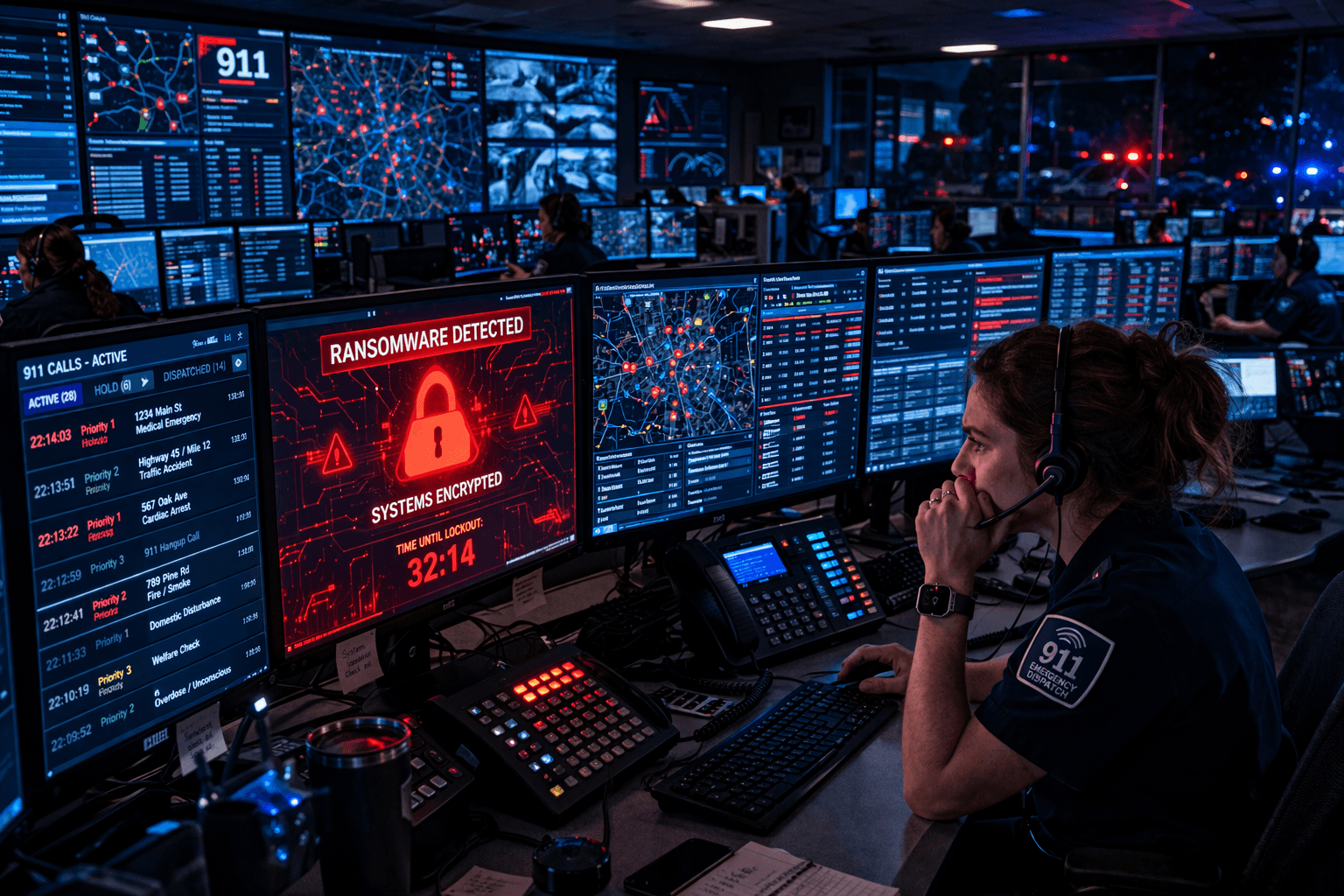
Computer-aided dispatch is the nerve center of emergency response. A ransomware event or outage can block unit assignment, visibility, and mutual-aid coordination.
Records management exposure
Fire inspection records, EMS run reports, personnel files, and HIPAA-protected patient data all create a broad digital footprint with public-sector accountability attached.
Budget and staffing constraints
Municipal departments rarely have dedicated cybersecurity teams. Security decisions often compete with apparatus, staffing, and other operational priorities.
Interagency data sharing
County, regional, and state integrations mean one weak link can spread risk across partner organizations and public-safety workflows.
Aging infrastructure
Legacy systems, end-of-life software, and older MDTs create exposure that generic IT support may treat as routine technical debt rather than continuity risk.
How we help Fire & municipal departments
The municipal challenge
Municipal departments face a distinct problem: they run critical public-safety infrastructure under approval cycles and staffing constraints that private-sector security teams do not share. By the time an initiative clears procurement, the threat landscape may already have shifted.
Fire departments increasingly rely on connected systems for dispatch, ePCR, hydrant mapping, inspections, training records, and pre-plan access. Those systems are often intertwined with broader city or county infrastructure, which means a compromise outside the department can still become a department problem.
Iron Rod Security helps leadership narrow the problem to what matters most: which systems would hurt the public most if they failed, which vendor or integration assumptions are too weak, and what fallback plan still works while crews are actively responding.
Frequently asked
What makes municipal Fire and EMS cyber risk different?
Municipal departments operate public-safety infrastructure under budget cycles, procurement constraints, interagency dependencies, and legacy technology realities. That means cybersecurity decisions have to account for dispatch continuity and public-service obligations, not just technical best practices.
What happens if CAD or dispatch systems go down during a call period?
A CAD outage can immediately degrade call intake, unit assignment, location visibility, mutual-aid coordination, and documentation workflows. That is why continuity planning for dispatch and fallback operations has to be explicit before an incident happens.
Do you work with our city or county IT team?
Yes. Iron Rod Security is designed to work alongside municipal IT, county IT, or outside providers by translating operational public-safety risk into clearer priorities, vendor questions, and continuity planning.